On this trip, I have been most challenged by the notion that as a Holocaust educator, I have a duty to share the voices of people who became victims of this atrocity, because their ability to do so was taken away from them. But so often, my mind jumps straight to images of the impact of the Holocaust on these people – of sunken eyes, emaciated bodies, striped uniforms and tattooed numbers. Now I have been compelled to know the individual stories of these people. They were people like you and me, with hopes, dreams, skills and something to offer the world.
The full quote from above is as follows: “If something happens, I should like someone to remember that there once lived a person named David Berger.” — David’s last letter, Vilna 1941.
I love this quote, because to me this means we need to humanise people by knowing their stories. We need to know about the real everyday life of people, specifically Jewish people, who lived in Europe pre-World War Two. I’ve included David Berger’s story below, and while it’s short, it’s honouring his memory.
David Berger was born in 1915 in Przemysl, south-east Poland. He left his hometown when the Germans invaded in 1939 and was shot dead in Vilnius, Lithuania two years later in 1941 at just 19 years of age.
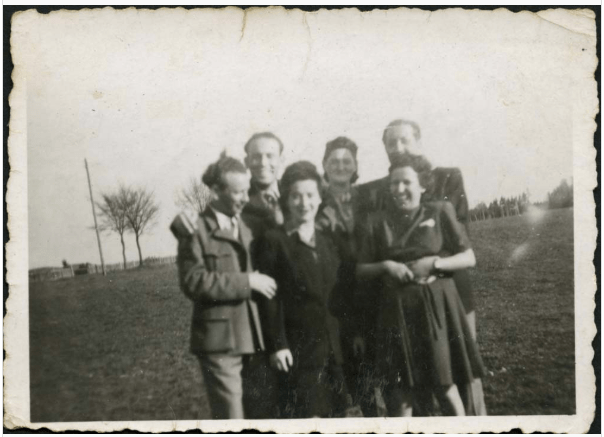
David Berger was born around 1915, in Przemysl, in Southern Poland. He belonged to Akiva Zionist Youth Movement and in 1939 he went to Vilnius, where Zionist youth groups gathered. The group photo below was taken in 1940 in Vilnius, and David sent it to his girlfriend, Elza Gross, who had left Poland in 1938 for Palestine.On 2 March 1941, David sent a postcard to Elza to say goodbye, as he correctly assumed he would not survive. He wrote to her that ‘the worst of it all is the lack of knowledge of when I will return and see you’.
He was shot dead in Vilnius, Lithuania in 1941.
Telling his story can assist us in honouring his wishes and remembering that ‘someone named David Berger had once lived’. (Source: Last Letters from the Holocaust, edited by Walter Zwi Bacharach, Yad Vashem and Devora Publishing Company, 2004, p.196)
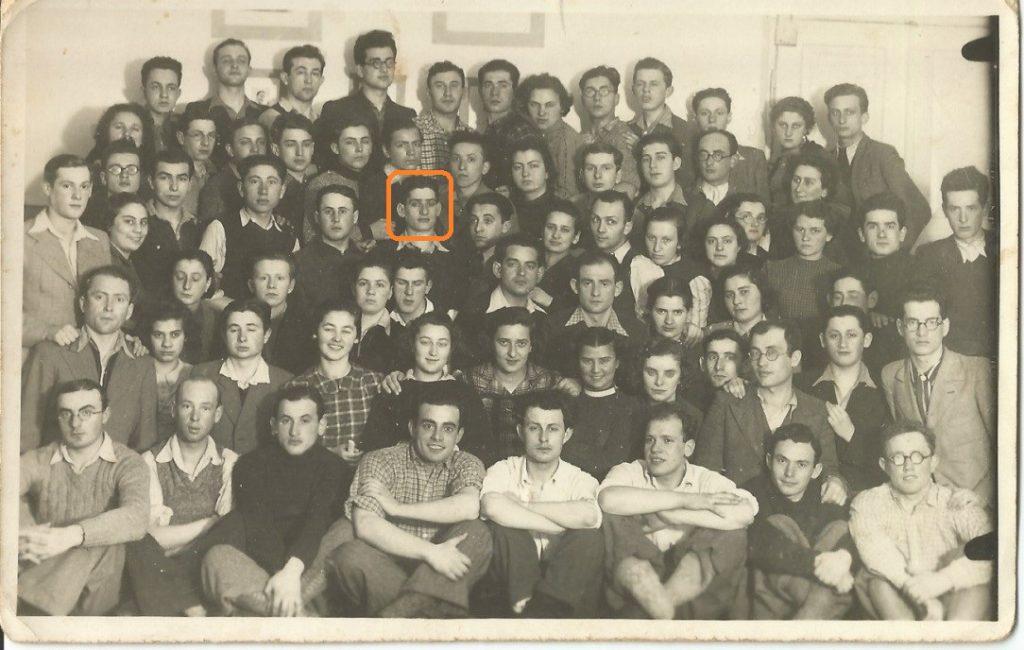
In addition to this, I’ve selected some photos from the Yad Vashem website (they have over 42, 000 images from this era!) to reflect on this ideal.
Look at the faces of these people. Think about: Who were they? What were their passions? Values? Beliefs? Delights? Dreams and hopes? Talents and skills?
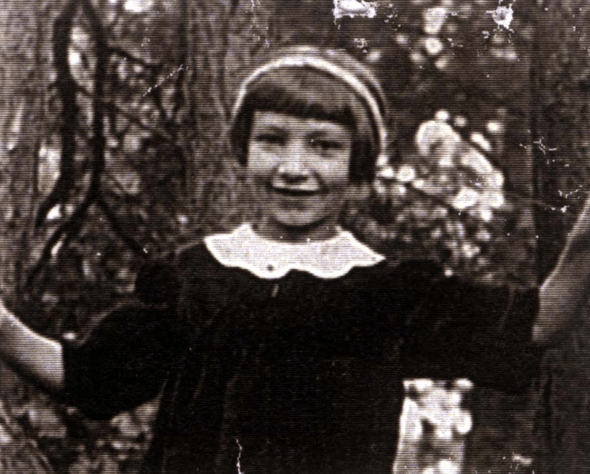
Place of Death: Treblinka,Extermination Camp, Poland
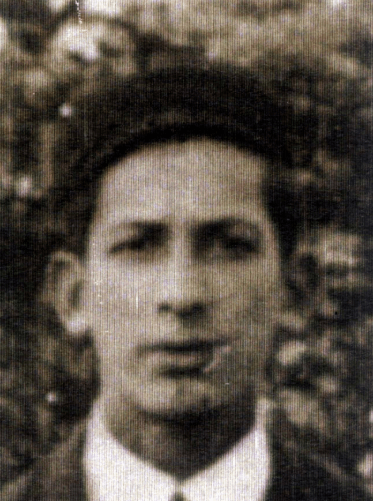
Place of Death: Treblinka, Extermination Camp, Poland
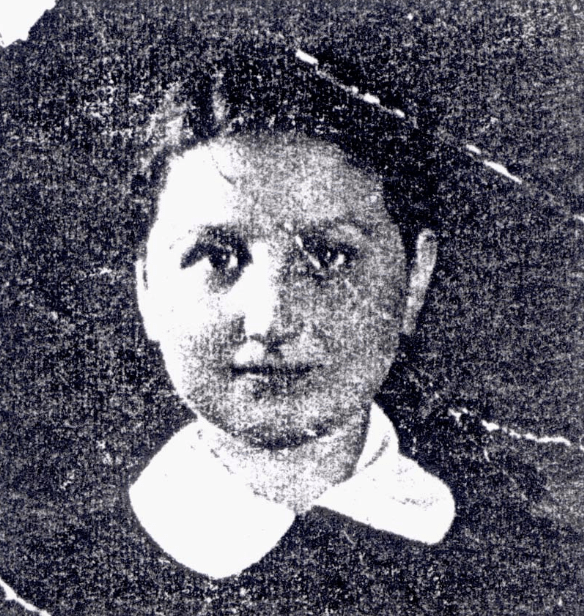
Place of Death: Uchanie, Hrubieszow, Lublin, Poland
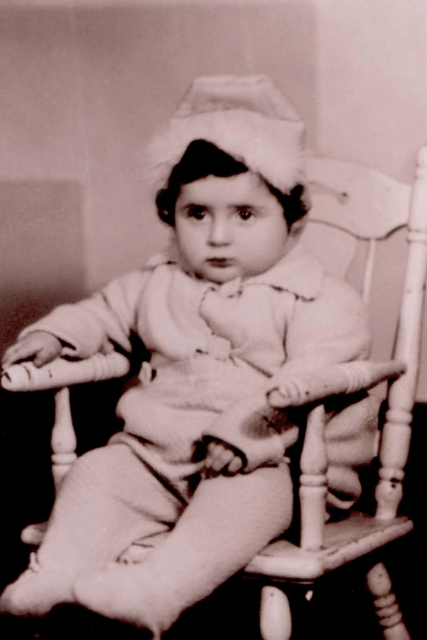
Place of Death: Transnistria, Ukraine (USSR)
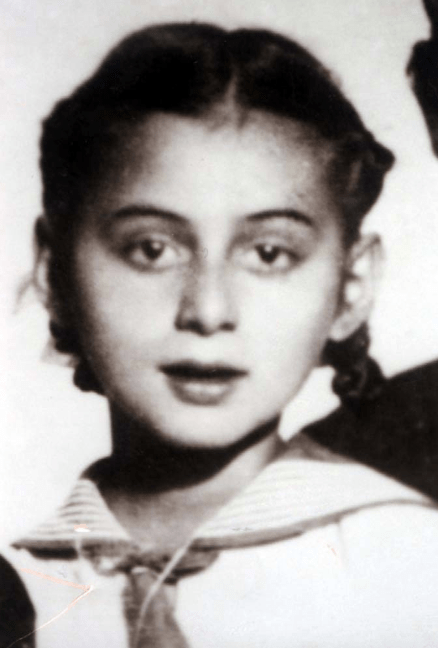
Place of Death: Auschwitz,Camp, Poland
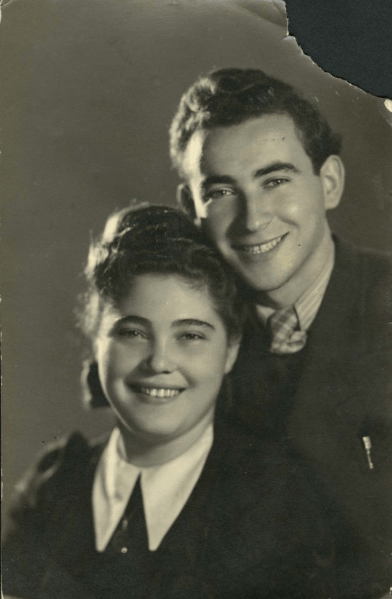
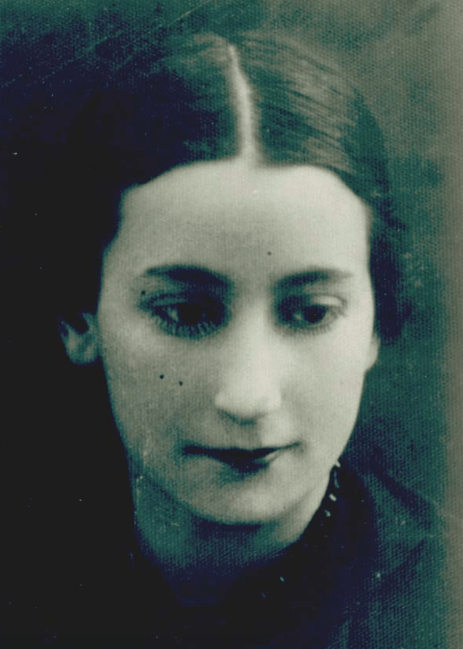
We live to tell their stories. This teaches us to empathise, to care, to have compassion, and to compel others to never repeat this history again.
 History and Memory in the Holy Land